
"French Caribbean agriculture"
80 article(s) found

Coffee regions around the world introduce the most fashionable luxury cafes
Costa Rica Famous coffee: Tarrazu Nicaragua Famous coffee: Nicaragua Honduras Famous coffee: Honduras Panama Famous coffee: Panama El Salvador Famous coffee: Sal

A brief introduction to the history and culture of the origin and development of Dominican boutique coffee
Boutique coffee has become popular in recent years. High-quality coffee beans produced by some Dominican estates have a rich aroma, mellow taste and moderately bright sour taste, which are not far from the more famous Puerto Rico beans or Jamaican beans, and are also worth tasting. Dominica coffee beans have moderate acidity and rich fruit flavor. Western Hispaniola, 1500 m above sea level

Introduction of Puerto Rico Coffee Manor with unique Flavor, Fine Coffee
Puerto Ricans are the general name of the residents of United States Puerto Rico in Central America and the Caribbean. There are about 3.4 million people (1979). Spanish and English are widely used. More Catholic. The earliest inhabitants of Puerto Rico were Arawak and Caribbean Indians. In 2012, whites of European origin accounted for about 73% of the population, mixed-race people accounted for 23%, and blacks accounted for 4%. There are more than 20,000 Americans and others.
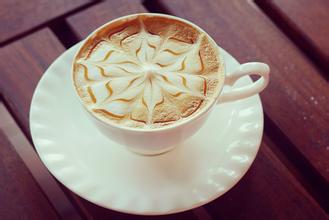
Hanging ear filter coffee is introduced in coffee producing areas all over the world.
Tanzania (Tanzania) well-known representative coffee: Kilimanjaro (Zimbabwe) well-known representative coffee: Chipinge (Chipinge) Malawi (Malawi) well-known representative coffee: Malawi (Malawi) Central America Guatemala (Guatemala) well-known representative coffee: Antigua (Antigua), Vivette Nango (Huehuetenango)

Coffee bean producing areas Caribbean Sea Haitian boutique coffee beans
Haiti, located in the north of the Caribbean Sea and west of Hispaniola Island, covers an area of about 27800 square kilometers. It is bordered by the Dominican Republic to the east, the Caribbean Sea to the south, the Atlantic Ocean to the north, and Cuba and Jamaica to the west across the Strait. It is an island country in the eastern Caribbean with a coastline of more than 1080 kilometers. The region where the country is located is on the circum-Pacific seismic belt. The whole territory is 3x4 for mountains.

Puerto Rico Coffee Taste Manor Fine Coffee Bean producing area introduction
Puerto Ricans are the general name of the residents of United States Puerto Rico in Central America and the Caribbean. There are about 3.4 million people (1979). Spanish and English are widely used. More Catholic. The earliest inhabitants of Puerto Rico were Arawak and Caribbean Indians. In 2012, whites of European origin accounted for about 73% of the population, mixed-race people accounted for 23%, and blacks accounted for 4%. There are more than 20,000 Americans and others.

Introduction to boutique coffee from Dominica with winding aftertaste and smooth taste.
Thousands of Tylenos were demoted to slavery and engaged in gold mining. Due to a series of oppression, hunger and disease, by 1535, the Tino had only 60,000 left. In 1501, King Ferdinand I and Isabella of Spain were the first to allow Caribbean colonists to introduce slaves from Africa. They began to arrive on the island in 1503. [3] in the early days of the Spanish island, the Spaniards were in the new.
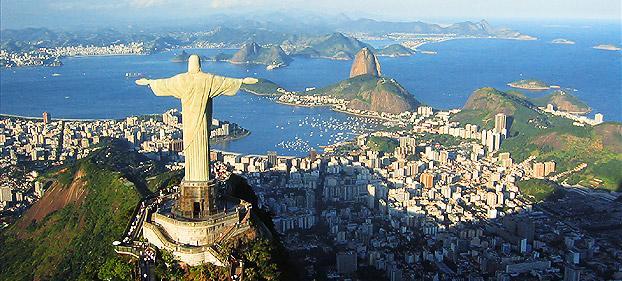
Caribbean Jamaica Well-known representative coffee Blue Mountain Puerto Rico
Caribbean Jamaica (Jamaica) well-known representative coffee: Blue Mountain (Blue Mountain) Jamaica is located in the Caribbean Sea, a small republic, its Blue Mountain coffee with its mild taste and low acidity of the high level of performance and noise, is currently the world's most expensive and one of the most popular coffee. Blue Mountain Location Located in South Kingston to North Port Maria
The characteristics of Panamanian Coffee which kind of coffee has a strong aroma
Well-known representative coffee: Santo Domingo Caribbean-Dominican Repubilc well-known representative coffee: San Dominica (Santo Domingo) Dominica is located in Central America's Hispaniola Island, just above Martinique Island. Dominica occupies 2/3 of the right half of Hispaniola and the other west.

Introduction to the characteristics of Dominica Santo Domingo coffee flavor varieties with light aroma
In 1677, about 4,000 French lived in 11 villages in the west of the island. In 1697, France and Spain ceded the western part of the island to France according to the Leswick Treaty of the Alliance War, formally recognizing French sovereignty over Haiti in the western part of the Spanish island, and the eastern part of the Spanish island was called East Santo Domingo. France continues to develop its agricultural economy on the island of Hispaniola.
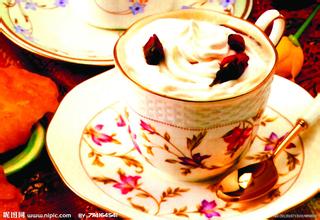
Dominica Santo Domingo Coffee with rich flavor description, grinding degree, taste, fine coffee.
In 1677, about 4,000 French lived in 11 villages in the west of the island. In 1697, France and Spain ceded the western part of the island to France according to the Leswick Treaty of the Alliance War, formally recognizing French sovereignty over Haiti in the western part of the Spanish island, and the eastern part of the Spanish island was called East Santo Domingo. France continues to develop its agricultural economy on the island of Hispaniola.

Full-grained Dominican Coffee Flavor and Taste introduction to boutique coffee beans in manor area
In 1677, about 4,000 French lived in 11 villages in the west of the island. In 1697, France and Spain ceded the western part of the island to France according to the Leswick Treaty of the Alliance War, formally recognizing French sovereignty over Haiti in the western part of the Spanish island, and the eastern part of the Spanish island was called East Santo Domingo. France continues to develop its agricultural economy on the island of Hispaniola.
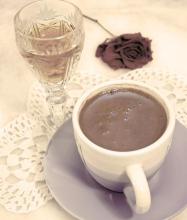
Introduction to the description of Flavor of Fine Coffee Bean Manor in Dominica Coffee Variety producing area
In 1677, about 4,000 French lived in 11 villages in the west of the island. In 1697, France and Spain ceded the western part of the island to France according to the Leswick Treaty of the Alliance War, formally recognizing French sovereignty over Haiti in the western part of the Spanish island, and the eastern part of the Spanish island was called East Santo Domingo. France continues to develop its agricultural economy on the island of Hispaniola.

Introduction to the characteristics of Dominica Coffee Flavor and taste Manor
In 1677, about 4,000 French lived in 11 villages in the west of the island. In 1697, France and Spain ceded the western part of the island to France according to the Leswick Treaty of the Alliance War, formally recognizing French sovereignty over Haiti in the western part of the Spanish island, and the eastern part of the Spanish island was called East Santo Domingo. France continues to develop its agricultural economy on the island of Hispaniola.

Flavor description of Dominican coffee with mellow taste introduction to the characteristics of the taste of grinding degree
In 1677, about 4,000 French lived in 11 villages in the west of the island. In 1697, France and Spain ceded the western part of the island to France according to the Leswick Treaty of the Alliance War, formally recognizing French sovereignty over Haiti in the western part of the Spanish island, and the eastern part of the Spanish island was called East Santo Domingo. France continues to develop its agricultural economy on the island of Hispaniola.

Introduction to the Flavor and Taste of High-quality Coffee in Dominica Coffee Manor
In 1677, about 4,000 French lived in 11 villages in the west of the island. In 1697, France and Spain ceded the western part of the island to France according to the Leswick Treaty of the Alliance War, formally recognizing French sovereignty over Haiti in the western part of the Spanish island, and the eastern part of the Spanish island was called East Santo Domingo. France continues to develop its agricultural economy on the island of Hispaniola.

The taste of Dominica Santo Domingo coffee is mellow with moderately bright sour taste.
In 1586, Captain Drake of England led a fleet to attack the city of Santo Domingo, but was repelled by Spanish troops stationed in Dominica. Between 1605 and 1606, towns on the west coast of Hispaniola were often plundered by pirates, causing most of the local population to move inland. [3] at the beginning of the 17th century, French, Dutch and British pirates lived in the west of Hispaniola

Description of Dominica Coffee Flavor with mellow taste A brief introduction to the characteristics of the varieties of Grinding degree
In 1677, about 4,000 French lived in 11 villages in the west of the island. In 1697, France and Spain ceded the western part of the island to France according to the Leswick Treaty of the Alliance War, formally recognizing French sovereignty over Haiti in the western part of the Spanish island, and the eastern part of the Spanish island was called East Santo Domingo. France continues to develop its agricultural economy on the island of Hispaniola.

Introduction of Flavor characteristics of Fine Coffee beans in Dominica Santo Domingo Coffee Variety producing area
In 1677, about 4,000 French lived in 11 villages in the west of the island. In 1697, France and Spain ceded the western part of the island to France according to the Leswick Treaty of the Alliance War, formally recognizing French sovereignty over Haiti in the western part of the Spanish island, and the eastern part of the Spanish island was called East Santo Domingo. France continues to develop its agricultural economy on the island of Hispaniola.

Introduction to the characteristics of Puerto Rico Coffee Flavor description and Grinding degree treatment in producing areas
On 6 November 2012, Puerto Rico held its fourth referendum. The referendum consists of two rounds of voting. In the first round, Puerto Ricans voted on whether they wanted to change the status quo in their relations with the United States. 1.8 million people were eligible to vote, 65000 gave up the first round of voting, and 54 per cent of those who took part in the vote supported a change of relationship. Later, Puerto Ricans were like